


Welcome! Housed in the College of Agriculture’s Department of Entomology and Plant Pathology, we are the AU-BEES (named after Auburn’s world-famous mascot Aubie). Our outreach, extension, and research activities benefit our local community while educating the public on our vital work.
Our impact
Through world-class research, collaborative extension and student engagement, the Auburn University Bee Center addresses the urgent need to protect bees and other insect pollinators. Our graduates and partners contribute to agricultural sustainability, ecosystem health and food security through science-driven solutions and informed advocacy. Our undergraduate students learn the importance of insect pollinators through immersive experiences.

We actively engage the public in honey bee and native bee stewardship by hosting hands-on workshops, publishing educational content online and visiting with community groups and schools.
Are you or your organization interested in learning more about Alabama pollinators? Please send all inquiries and guest speaker requests to the AU-Bees lab outreach coordinators, Noah Crockette (Honey Bee inquiries) and Dylan Mahalko (Native Bee inquiries).

Through interdisciplinary research, we bring together experts dedicated to safeguarding managed honey bee colonies and native bee populations and enhancing their role in agroecosystems across Alabama and beyond.

To help beekeepers make appropriate management decisions during winter and early spring, 17 land-grant universities, 1 statewide cooperative extension system, 5 USDA ARS labs (Baton Rouge, Beltsville, Poplarville, Stoneville, Tucson), and 3 beekeepers are jointly monitoring amount of capped brood in their colonies throughout the country from mid-October 2025 to the end of February 2026.
Bee Center News

Next month, honeybee enthusiasts are invited to attend the 31st Annual Alabama Beekeepers Symposium. The event will take place on February 7.
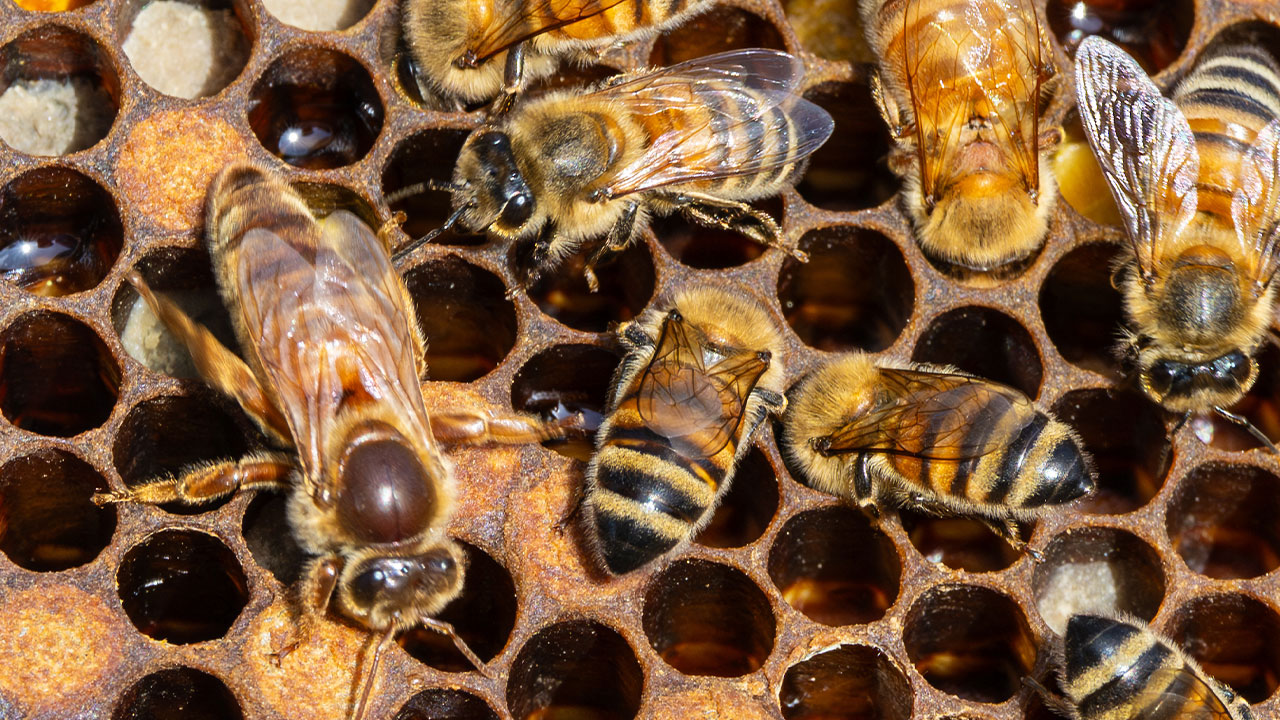
The buzz at Auburn's Bee Center isn’t just about harvesting honey for the AU-BEES program. It’s also about groundbreaking research, immersive student experiences and impactful community outreach.
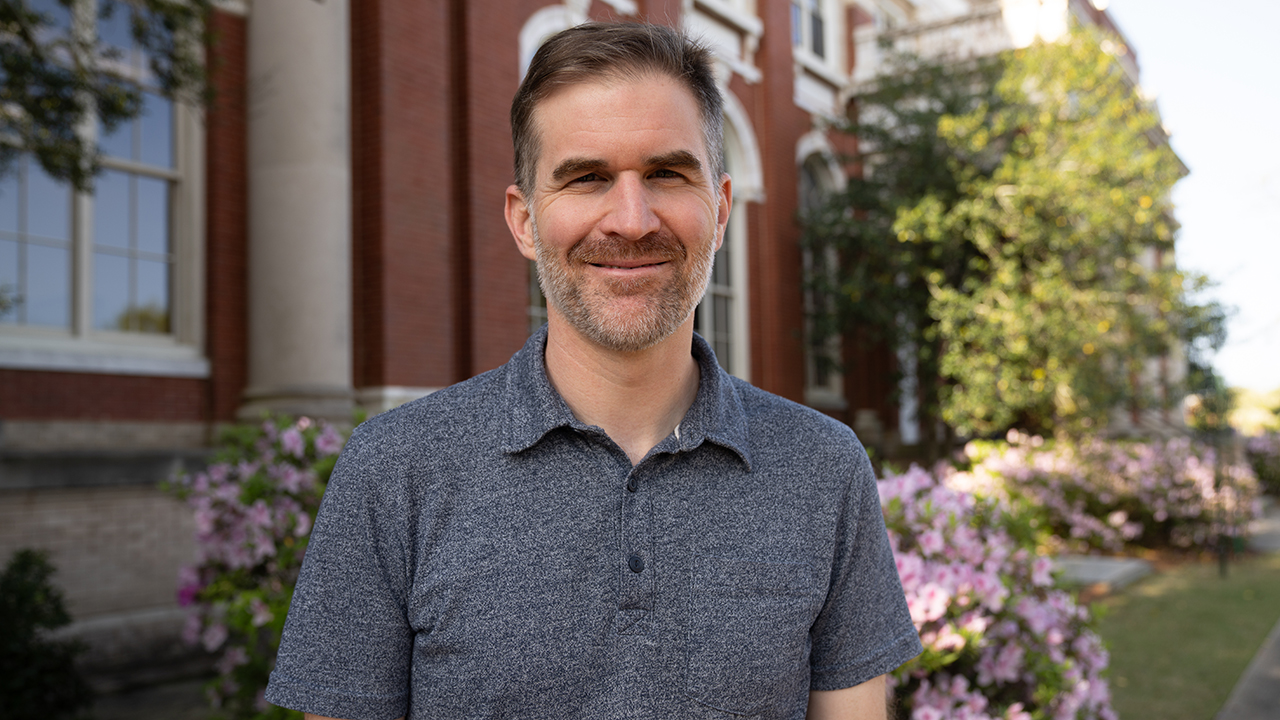
Geoff Williams, associate professor, graduate program officer and longtime director of the AU-Bees Lab, is director of the new Auburn University Bee Center, effective April 1.
row6
Geoffrey Williams
Associate Professor
301 Funchess Hall
Auburn, AL 36849
(334) 844-5068
williams@auburn.edu
