


Building economies and strengthening communities
In the Department of Agricultural Economics & Rural Sociology, our work is about the economic and social impact of agriculture on local, regional, national and global scales.
Research in the Department of Agricultural Economics & Rural Sociology is in collaboration with the College of Agriculture and Alabama Agricultural Experiment Station.
row2
Below are our faculty and their areas of work:
Agricultural Economics and Business
- Dennis Brothers: commercial poultry economics; contract grower-integrator relations; renewable energy applications; property/business insurance concerns for contract growers
- Dr. Joel Cuffey: agricultural finance; farm policy
- Dr. Joshua Duke: agricultural sustainability decision-making and markets; land conservation and preservation policy design; experimental and behavioral economics; food labeling; economics of best management practices; coupled models of human decisions and agri-environmental processes at the field-scale; land taxation policy; land economics; environmental law and economics; property rights
- Dr. Valentina Hartarska: agricultural finance; farm policy; economic development; microfinance; markets and institutions
- Dr. Samir Huseynov: experimental and behavioral economics; recalibrating economic choice models with biometric data; individual economic decision-making and choice processes; food labeling; attention deficiency and saliency of choice attributes; sequential sampling and drift-diffusion models of the cognitive process behind economic decisions
- Dr. Xiangwen Kong: international trade and policy
- Dr. Wenying Li: consumer economics, specifically of food, health and nutrition; applied microeconomics; agricultural policy and marketing; innovative statistical methods
- Dr. Ruiqing Miao: risk management; resource economics; apiculture productivity; climate change; conservation and bioenergy economics
- Dr. Denis Nadolnyak: environmental and resource economics; policy; risk analysis and climate impacts on agricultural production and finance
- Dr. Adam N. Rabinowitz: production economics; policy; extension; risk management
- Jian Rong: agribusiness marketing, agricultural policy
- Max W. Runge: farm management; enterprise budgets; livestock enterprise budgets; input prices
- Dr. Wendiam Sawadgo: conservation economics; profitability of agricultural production; non-market valuation; agricultural marketing; land economics; risk management
- Dr. Mykel Taylor: land economics; rental rates; landowner-tenant relationships; farm bill policy; farm management
- Dr. Sunjae Won: econometric methods with an emphasis on risk management for the full suite of agricultural produce; potential climate change effects on society and possible mitigation using geospatial data
Rural Sociology
- Dr. Kelli Russell: farm management and producer decision-making; rural communities; rural resiliency; farm and farmer resiliency; farm succession and farm transition; rural and agricultural trends; farm and community well-being
- Dr. Ryan Thomson: natural resources; inequality; heirs property; green crime; stakeholder engagement; environmental justice; social network analysis; geospatial analytics
- Dr. Michelle Worosz: agrifood system governance; food safety; food security; short supply chains; values-based supply chains; local foods; agrifood production and consumption systems; technology transfer; adoption of bundled technologies; climate-smart technologies; climate resilience communication; pedagogy of critical thinking and information literacy skills
Our recent publications
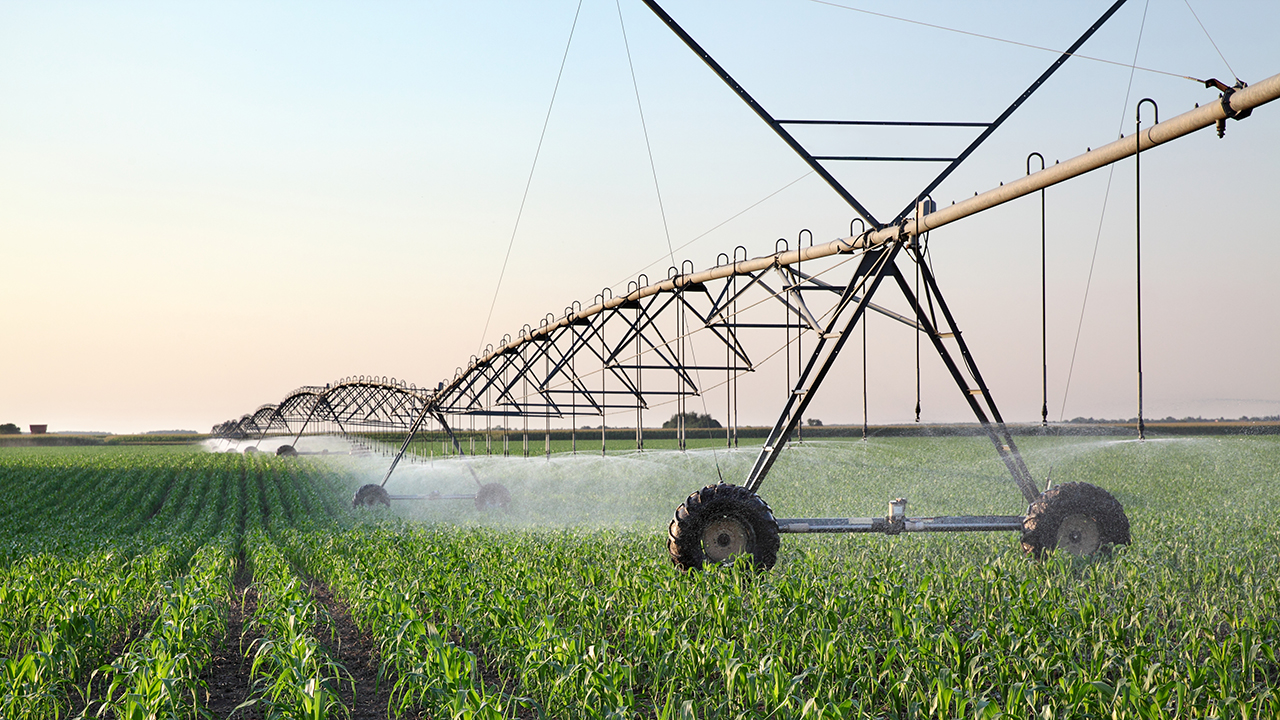
Alabama farmers considering investing in irrigation equipment will soon have a free, comprehensive online tool — built by researchers in the College of Agriculture — to help them decide.
A recent report by social science researchers at Auburn and Alabama Agricultural Experiment Station will inform Gov. Kay Ivey’s strategic economic growth plan, Catalyst, on the agriculture industry.
Researchers at Auburn aim to reduce U.S. greenhouse gas emissions due to agriculture by modifying one of the world's largest voluntary conservation programs: the USDA's 25-million-acre Conservation Reserve Program.


