


Protecting our food sources and natural resources
row2
Below are our faculty and their areas of work:
-
Dr. Shannon Brewer: disturbance of stream ecosystems; improving riverine samplings; ecology, conservation and management of stream fauna
-
Dr. Timothy Bruce: Host-pathogen interactions; nutritional aspects of fishhealth; aquaculture vaccinations; immune response and pathogen susceptibility in up-and-coming fish species with production potential
-
Dr. Stephen “Ash” Bullard: aquatic parasitology; taxonomy, systematics, and parasite biology
-
Dr. Ian Butts: Applied reproductive physiology; gamete cryopreservation; sexual selection and the evolution of gamete interactions
-
Dr. Matt Catalano: population dynamics and fisheries management
-
Dr. David Cline: catfish aquaculture; caged fish production; recreational pond management; small-scale marketing; aquatic plant management; aquaculture
-
Dr. Allen Davis: stock enhancement technologies; aquaculture
-
Dr. Dennis DeVries: threatened and endangered species; bioenergetics; hard part microchemistry; blueback herring in Lewis Smith Lake; non-game riverine fish
-
Dr. Rex Dunham: catfish genetics including selective breeding, hybridization, gene transfer, gene mapping and genomics, and reproductive physiology
-
Dr. Taryn Garlock: seafood markets; production economics; management of fisheries and aquaculture systems
-
Dr. Tham Hoang: chemical and physical characteristics of water, sediments and soils onthe bioavailability and toxicity of contaminants to aquatic organisms
-
Dr. Anika Kelly: transferring technologies and best management practices for disease reduction and prevention
-
Dr. Luke Roy: commercial aquaculture; aquaculture production using traditional and alternative production technology; water quality; aquatic animal nutrition
-
Dr. Jim Stoeckel: suspended sediments; advection; developmental bottlenecks; invasive species; thermal stress; and agrochemicals in lentic and lotic systems
-
Dr. Andrea Tarnecki: Alabama shellfish aquaculture industry, new and emerging shellfish diseases; harmful algal blooms; seafood safety
-
Dr. Joseph Tomasso: Stress and environmental physiology of fishes and crustaceans of importance to aquaculture and fisheries
-
Dr. P.J. Waters: survival strategies for restoration shellfish; volunteer-based shellfish restoration
-
Dr. Nathan Whelan: evolution; phylogenomics; conservation genomics; biodiversity; freshwater conservation
-
Dr. Alan Wilson: ecology of freshwater lakes, ponds, and reservoirs; the abiotic and biotic mechanisms mediating the promotion or control of freshwater harmful algal blooms and taste-and-odor events
-
Dr. Russell Wright: ecological principles and mechanisms that shape aquatic communities and ecosystems; small impoundments, larger reservoirs, rivers and estuaries
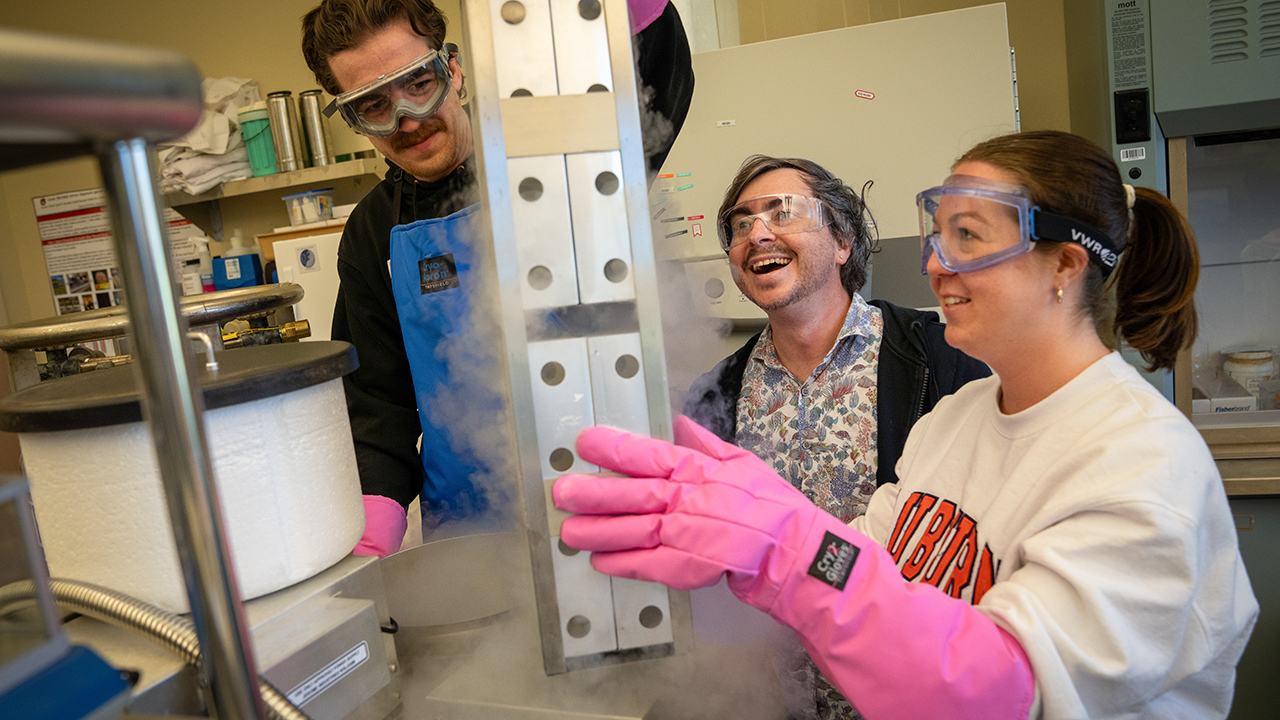
The $437 million U.S. catfish industry is in need of better genetic and breeding technologies to be competitive with foreign imports. A team of hatchery scientists from the Alabama Agricultural Experiment Station are studying hybrid catfish breeding practices to help improve reproductive efficiency and reduce production costs for catfish farmers.
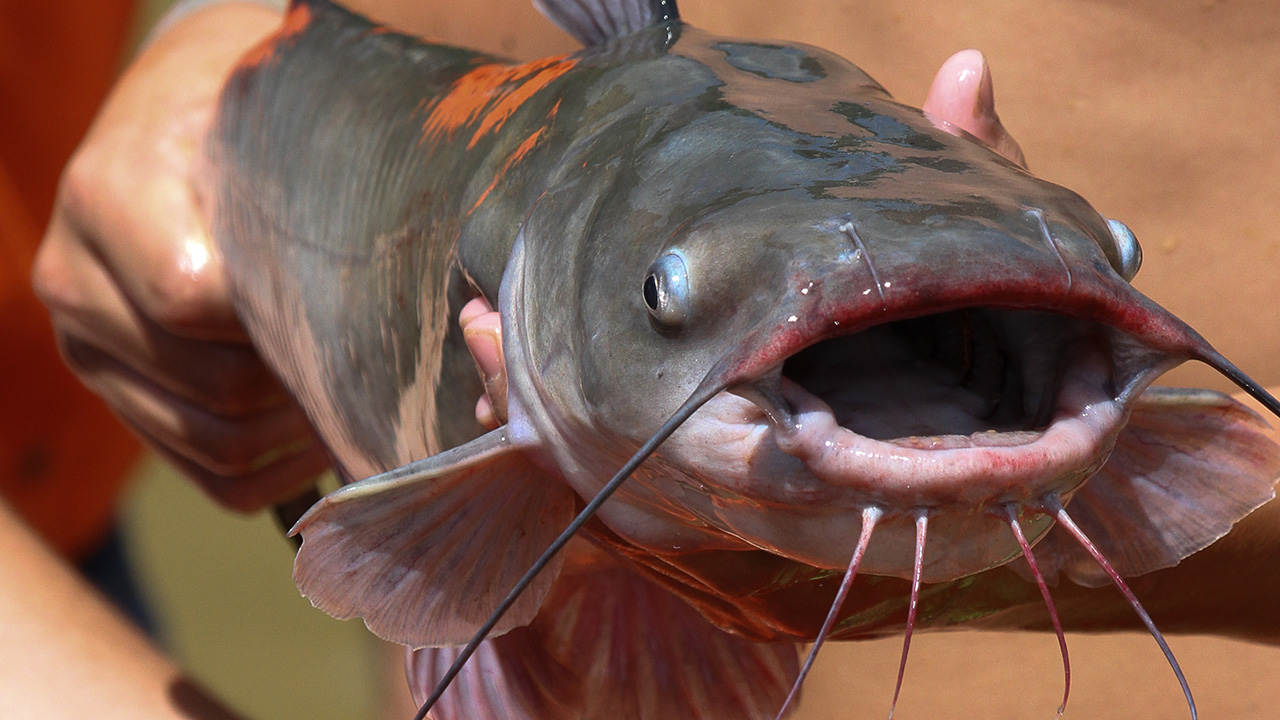
An Auburn team is working to make catfish breeding more efficient and profitable.

Two College of Agriculture faculty members were announced among Auburn University’s five 2024 Alumni Professors Sept. 20.
